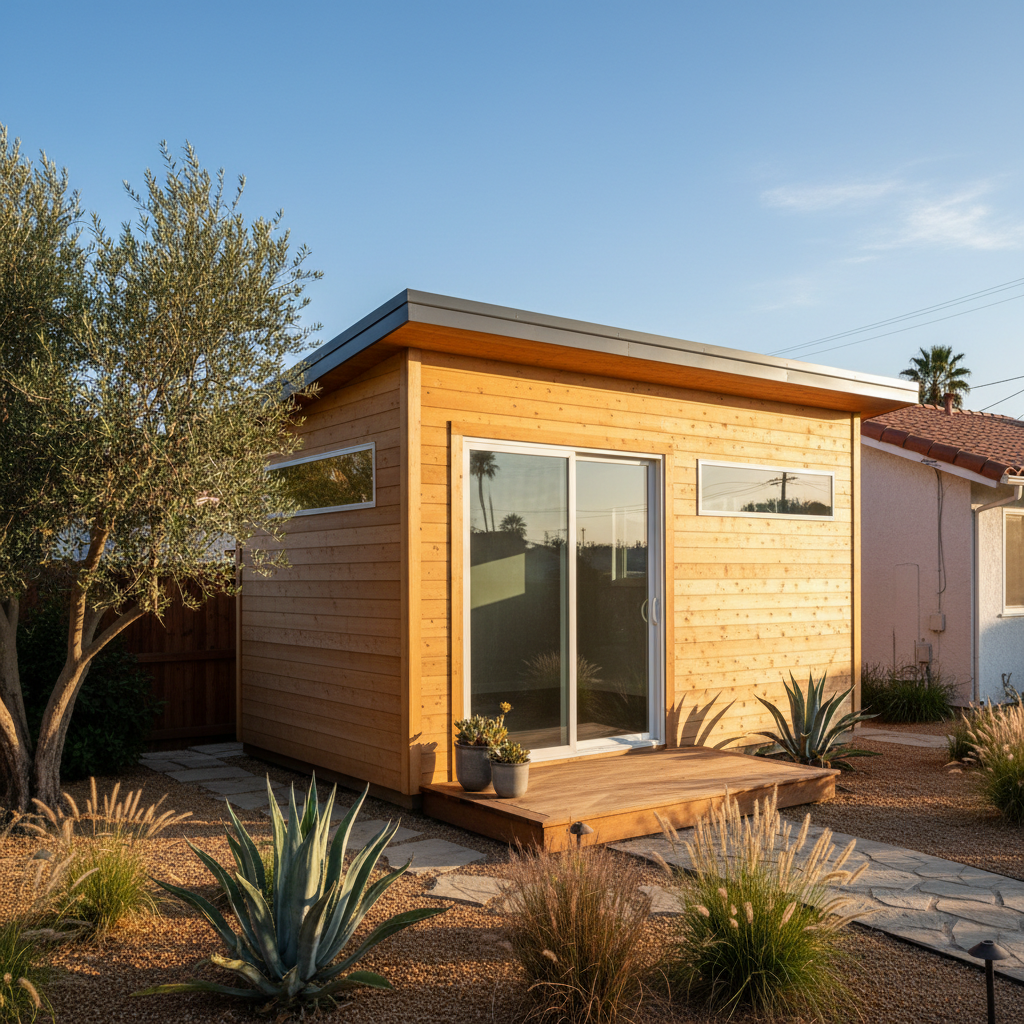
So, you've got your office shed – maybe it's one of ours from Los Angeles Shed Solutions, or perhaps you got it from another builder. It's your quiet space, your creative zone, your escape from the main house. You want that thing to last, right? Of course you do. And honestly, it doesn't take a ton of effort, just some consistent attention. Think of it like taking care of your car; a little preventative maintenance goes a long way.
Keeping Your Investment Around for the Long Haul
The biggest thing you can do to make your shed last is to keep water out and sunlight damage down. Here in LA, we don't get a ton of rain, but when it does hit, it can be intense. And the sun? That's a daily assault. Good design helps, sure, but ongoing care is crucial.
- Paint and Sealant: This is your first line of defense. Every few years, depending on how much sun and weather it gets, you'll want to check the paint or stain on the outside. If it's starting to crack, peel, or fade a lot, it's definitely time for a fresh coat. This isn't just about looks; it actually protects the wood from UV damage and moisture. Pay extra attention to trim, window frames, and door frames – those are the spots where water loves to sneak in.
- Roofing Check: Your roof takes the brunt of the sun and any occasional rain. Shingles can curl, crack, or lift over time. Flat roofs, which are pretty common on modern office sheds, might develop blisters or tears. Give it a good visual inspection at least once a year. Look for missing granules, exposed underlayment, or any signs of standing water after a rain.
- Foundation Matters: A solid foundation is key. Make sure water isn't pooling around the base of your shed. Good drainage away from the structure prevents rot and keeps pests from setting up shop underneath – nobody wants that.
Regular Upkeep: What You Should Be Doing
This isn't rocket science, just common sense stuff that'll save you headaches down the road.
- Clean Gutters and Downspouts: If your shed has gutters (and it really should!), clear them out regularly. Even in LA, leaves and debris can build up, especially if you're near trees. Clogged gutters mean water overflowing and running down the side of your shed, which is exactly what you want to avoid.
- Window and Door Seals: Check the caulking around windows and doors. Over time, it can dry out and crack, creating entry points for water and drafts. Re-caulk as needed. Also, make sure your door seals (weatherstripping) are intact and creating a good seal when the door is closed. This keeps out dust, moisture, and those pesky spiders.
- Ventilation: Especially in our warm climate, good airflow is important. Make sure any vents aren't blocked. If you've got an AC unit, keep its filters clean and the coils free of debris.
- Pest Patrol: Walk around your shed and look for any signs of critters. Small holes, nests, or droppings. Seal up any gaps you find. We've got plenty of rodents and insects in LA looking for a cozy spot, and your shed can be an attractive option if you're not careful.
Warning Signs of Trouble
Don't ignore these. They're usually small problems that can turn into big, expensive ones if left unchecked.
- Water Stains: Any discoloration on the ceiling, walls, or floor is a huge red flag. It means water is getting in somewhere. Trace it back to its source immediately.
- Musty Odors: A damp, musty smell indicates mold or mildew, which means moisture. This isn't just bad for your shed; it's bad for your health.
- Soft Spots: If you press on the exterior siding or interior walls and it feels soft or spongy, you likely have wood rot. This needs professional attention quickly.
- Sagging or Leaning: If your shed starts to look like it's not quite plumb or level, or if the roofline sags, that's a serious structural issue.
- Cracked Foundation: Small hairline cracks might be normal settling, but large, spreading cracks in the concrete foundation or piers are a concern.
When to Call a Professional
Look, you don't have to be a handyman to own a shed. Some things are best left to the pros. If you see any of those major warning signs – water damage, rot, structural issues – don't try to DIY it unless you really know what you're doing. Repairing structural damage or extensive water intrusion requires specific skills and tools.
Also, if you're uncomfortable getting on the roof, or if you're dealing with electrical issues inside your office shed, that's definitely a job for a licensed contractor. For anything beyond basic cleaning, painting, or re-caulking, it's smart to get an expert opinion. We're always happy to take a look and give you an honest assessment. Protecting your investment means knowing when to roll up your sleeves and when to pick up the phone.