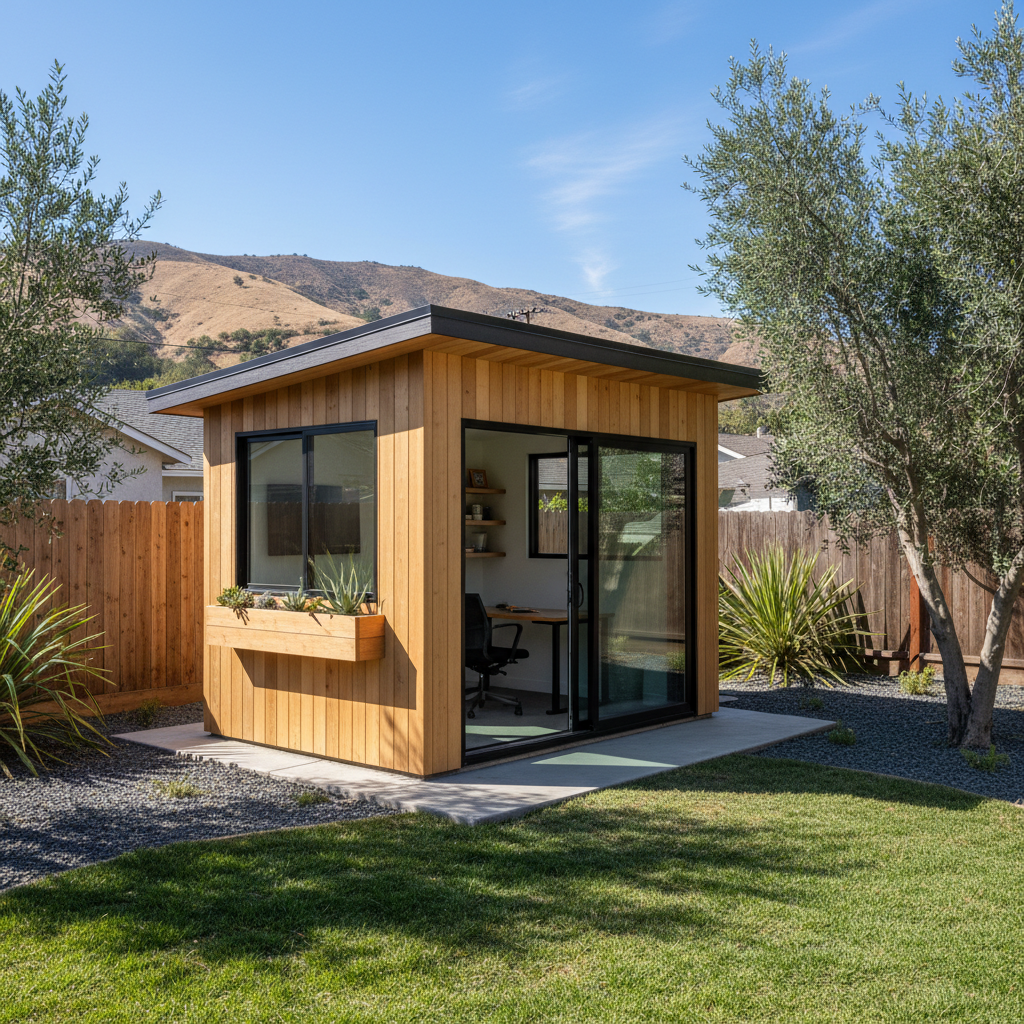
So, you've got yourself a great office shed, maybe even one we built for you here at Los Angeles Shed Solutions. It's your quiet space, your creative zone, your escape from the main house. You want it to last, right? Of course you do. Because a little regular maintenance goes a long way, especially with our unique climate here in LA.
Making Your Shed Last Longer in the Golden State
Our California sun, while absolutely beautiful, can be pretty brutal on exterior finishes. And then we get those Santa Ana winds, or occasionally, some real downpours. It's not just about keeping the shed looking good; it's about protecting your investment and everything tucked away inside it.
First off, paint and sealant are your shed's primary defense. Don't skimp on this. If your shed has wood siding, you're looking at repainting or re-sealing every 3-5 years. This really depends on how much sun it gets. Southern-facing walls, especially if they're not shaded, will take a beating faster than others, no doubt about it. Check for peeling, cracking, or fading. If you see it, deal with it. A good quality exterior paint or stain with UV protection is worth every single penny.
Roofing is another big one. Our intense sun can degrade asphalt shingles faster than in cooler climates. Keep an eye on your roof for curling, cracking, or missing shingles. A small repair now can prevent a major leak later, saving you a headache. If you have a metal roof, it's generally lower maintenance, but still check for any loose fasteners or signs of corrosion, especially if you're close to the ocean where that salty air can really do a number.
Your Regular Maintenance Checklist
This isn't rocket science, but it does require a bit of consistency. Think of it like changing the oil in your car – you just gotta do it.
- Gutters and Downspouts: This is a huge one, and people often overlook it. Clean them out at least twice a year, especially before our rainy season hits. Clogged gutters mean water overflowing, which can lead to rot on fascia boards, foundation issues, or even water getting into your shed. You definitely don't want water pooling around your shed's base.
- Exterior Cleaning: Give your shed a good wash down once or twice a year. A soft brush and some mild soap can remove dirt, pollen, and cobwebs. This also gives you a perfect chance to inspect the siding up close.
- Ventilation: Make sure any vents are clear of debris. Good airflow prevents moisture buildup inside, which can lead to mold, mildew, and wood rot. This is particularly important in our humid coastal areas or after a stretch of rain.
- Door and Window Hardware: Lubricate hinges and latches annually. Check seals around doors and windows. Our temperature swings can cause materials to expand and contract, leading to gaps. Replace any worn weatherstripping to keep out moisture, dust, and pests.
- Foundation Check: Take a look at the base of your shed. Are there any signs of settling? Cracks in concrete? Is the ground sloping away from the shed, or is water pooling? Proper drainage is crucial.
- Pest Patrol: Walk around your shed and look for signs of termites, ants, or rodents. Seal up any small cracks or holes you find. You really don't want uninvited guests sharing your workspace, do you?
Warning Signs You Shouldn't Ignore
Sometimes problems start small and then get worse fast. You need to know what to look for.
- Water Stains: Any discoloration on the ceiling, walls, or floor inside your shed is a big red flag. It means water is getting in somewhere. Find the source immediately.
- Musty Odor: This almost always indicates mold or mildew. Again, it's a sign of moisture intrusion or poor ventilation.
- Soft Spots on Wood: If you press on the siding or trim and it feels soft or spongy, you've got wood rot. This needs to be addressed quickly before it spreads.
- Sagging Roofline: This is a serious structural issue. It could mean compromised rafters or a failing roof structure.
- Cracks in Foundation or Walls: Small hairline cracks might be normal, but anything significant or growing could indicate structural movement.
- Pest Damage: Sawdust piles, mud tubes (termites), or gnaw marks are clear signs you've got a problem.
When to Call a Professional
Look, I'm a big believer in DIY, but there are times when you need to bring in someone with specialized skills. If you're not comfortable on a ladder, or if the roof needs major repair, call a roofer. If you suspect termites, get a pest control expert out there. For significant structural issues, or if you're seeing widespread rot, that's when you call someone like us at Los Angeles Shed Solutions. We can assess the damage, figure out the best course of action, and make sure your shed is safe and sound again.
Don't let small problems turn into big, expensive ones. A little proactive care now keeps your office shed a comfortable, productive space for years to come.