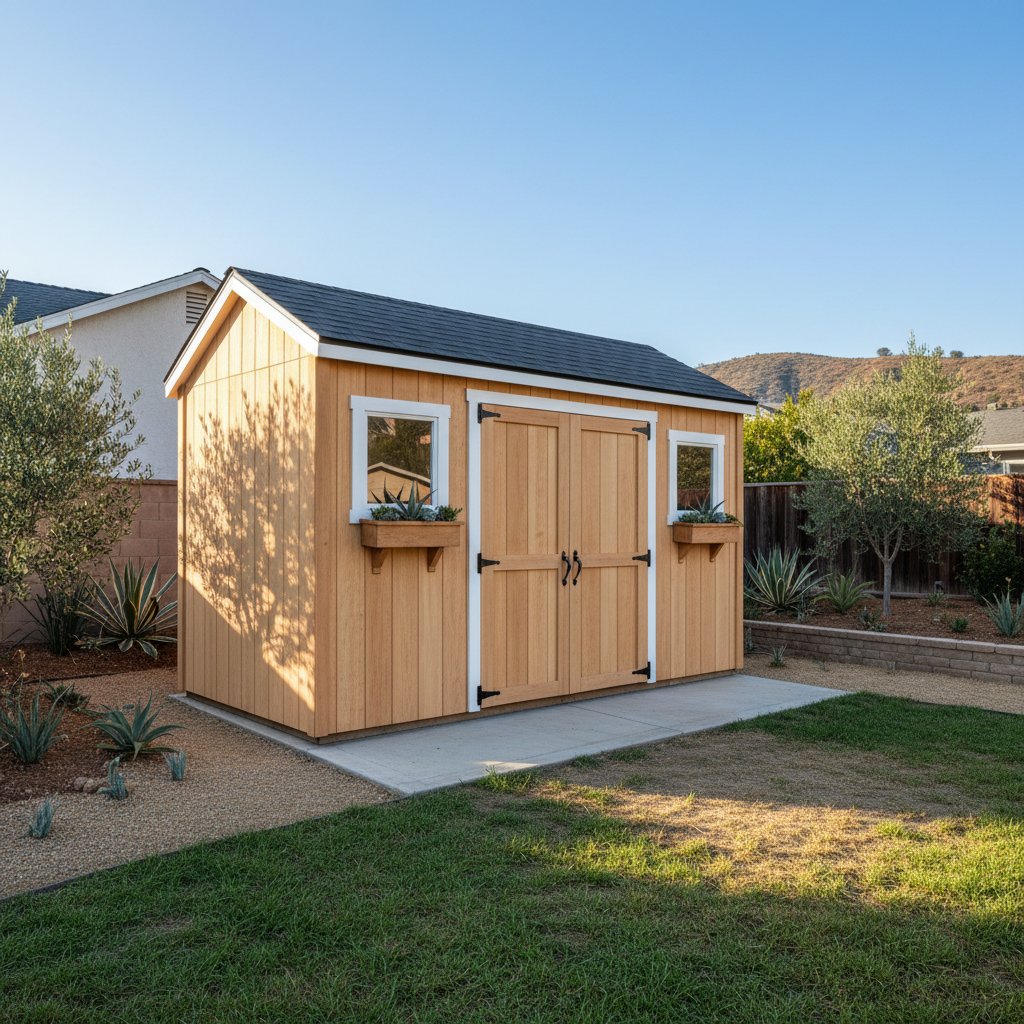
Your Custom Shed: Built to Last, But Not Forever Without You
So, you’ve got yourself a custom shed from Los Angeles Shed Solutions, or maybe another builder. Great! You made an investment, and you want it to stand up to our unique Southern California climate. That's smart. A well-built shed is designed to last, no doubt about it, but 'built to last' doesn't mean 'built to ignore.' Just like your house, your car, or even your garden, a shed needs a little love and attention to truly go the distance.
Think of it this way: we don't get harsh winters with feet of snow, but our intense sun, occasional heavy rains, and even those Santa Ana winds can really take a toll. Plus, the constant marine layer in places like Santa Monica or the dryness further inland in the Valley means different stresses on materials. Here's what I tell all my clients about keeping their sheds in top shape.
Regular Check-Ups: What to Look For Annually
You don't need to be a handyman to do these checks. Just grab a cup of coffee and take a good, hard look at your shed a couple of times a year. Spring and fall are good times.
- Exterior Walls: Walk around the whole thing. Are there any cracks in the siding? Peeling paint? Any signs of dry rot, especially near the ground? If you've got wood siding, give it a tap. Does it feel solid or soft?
- Roof: This is a big one. Look for missing shingles, cracked tiles, or any signs of water pooling. Check the flashing around any vents or where the roof meets the wall. Even a small gap can lead to big problems down the line. We don't get much hail here, but those intense sun cycles can really bake asphalt shingles.
- Doors and Windows: Open and close them. Do they stick? Are the hinges rusty? Check the weatherstripping around the edges – is it still sealing tight? You don't want water getting in there.
- Foundation: Look for any cracks in the concrete slab or shifting of the blocks. Make sure there's no dirt piled up against the siding, which can invite pests and moisture.
- Drainage: Is water shedding away from the shed? Are your gutters (if you have them) clear? If water is pooling around the base, you're asking for trouble.
Extending Its Life: Proactive Steps You Can Take
A little bit of effort now saves you a lot of headaches and money later.
- Keep it Clean: A simple wash down with a hose and a soft brush can do wonders. Get rid of cobwebs, dirt, and any mildew that might be starting. For wood, a mild detergent and a soft scrub brush is usually fine.
- Paint or Stain Regularly: This is your shed's first line of defense against the elements. Depending on the material and the quality of the original finish, you're probably looking at repainting or re-staining every 3-7 years. If it's looking faded or chalky, it's time. Don't wait until the paint is peeling off in sheets.
- Seal and Caulk: Check around windows, doors, and any trim pieces. If you see cracks in the caulk, scrape out the old stuff and apply new, high-quality exterior caulk. This keeps water out and helps maintain structural integrity.
- Trim Vegetation: Keep bushes and trees trimmed back from the shed. They can rub against the siding, hold moisture, and provide pathways for pests.
- Ventilation: Make sure any vents are clear and unobstructed. Good airflow inside helps prevent condensation and mildew, especially with our humidity fluctuations.
Warning Signs: Don't Ignore These
Some things scream