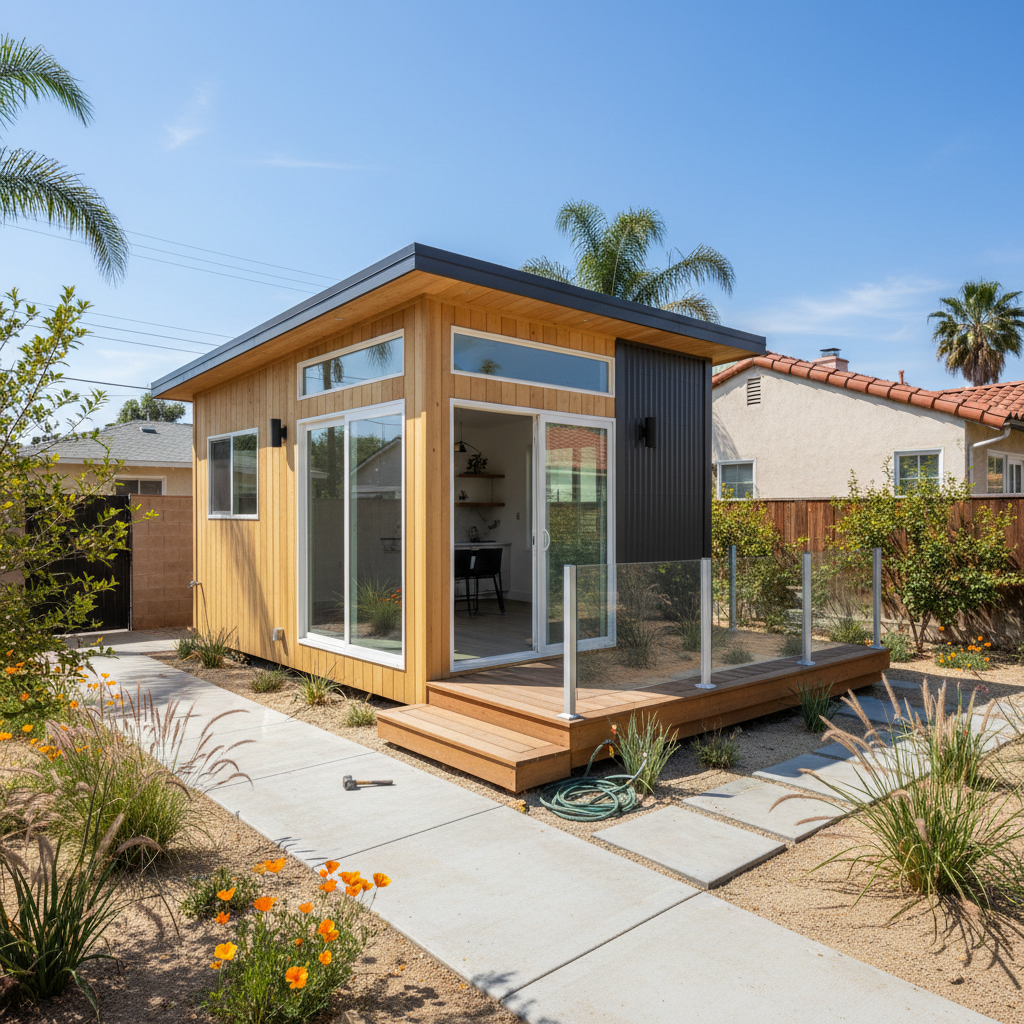
So, you're dreaming of a tiny home right here in Los Angeles? Maybe you're thinking extra income, a backyard office, or just simplifying your life a bit. That's a fantastic idea, and honestly, I'm all for it. But before you get too far down the road, let's chat about some of the biggest mistakes I see folks make. You really don't want to end up with buyer's remorse or a project that just never gets off the ground, do you?
Ignoring LA's Zoning & Permitting Realities
This is probably the number one blunder, hands down. People get all excited about the idea of a tiny home, maybe they buy a pre-fab unit, or hire a general contractor who doesn't really specialize in this kind of build. Then, boom, they hit a brick wall with the city. See, LA has specific rules for Accessory Dwelling Units (ADUs), which is what your tiny home will most likely be classified as. These aren't just suggestions, you know; they're actual laws.
You can't just plop a tiny house on wheels in your backyard and call it a day, especially if you plan on living in it or renting it out long-term. You'll need permits for everything, from the foundation right up to the utilities. I've watched projects stall for months, even years, all because someone didn't do their homework on setbacks, maximum size, parking requirements, or even fire access. For instance, if you're in a hillside area like Silver Lake or the Hollywood Hills, you'll face even stricter fire department access rules and geological surveys. Don't just assume your property is exempt. Get professional advice on zoning and permitting before you spend a single dime on design or materials.
Underestimating Utility Connections
A tiny home isn't just a structure; it's a place to live. That means it needs power, water, and sewer. This is where costs can really sneak up on you, big time. Many homeowners just assume they can run an extension cord and a garden hose. Nope. Not for a legal, habitable ADU, anyway.
You'll need proper electrical sub-panels, plumbing connections to your main sewer line, and water lines. Depending on how far your tiny home sits from your main house and existing utility hookups, this can turn into a pretty big excavation and installation job. If your main house's electrical panel is already maxed out, you might even need an expensive service upgrade. Always get detailed quotes for utility connections from licensed professionals. Don't let a contractor gloss over this part, ever.
Skimping on Foundation & Site Prep
I get it, everyone wants to save money. But cutting corners on the foundation or site preparation? That's a recipe for disaster. Especially here in LA, with our diverse soil conditions – everything from sandy areas near the coast to clay-rich soils further inland – a proper foundation isn't just a suggestion, it's non-negotiable.
A poorly prepared site can lead to settling, cracking, and structural issues down the line. You need proper grading for drainage, a solid foundation (whether it's a slab, pier and beam, or something else approved for your specific tiny home design), and often, retaining walls if your yard has any slope. This isn't just about how it looks; it's about the longevity and safety of your investment. A good builder, like us at Los Angeles Shed Solutions, will emphasize this from day one.
Not Vetting Your Contractor Thoroughly
This really goes for any home project, but it's especially critical with tiny homes because they're a bit specialized. Don't just go with the cheapest bid. I've seen too many homeowners get burned by unlicensed contractors or those who promise the world but deliver shoddy work.
- Always check their license with the Contractors State License Board (CSLB).
- Ask for references and actually call them up.
- Look at their portfolio – specifically for tiny homes or ADUs they've completed in LA.
- Make sure they understand LA's specific building codes and permitting process.
- Get everything in writing, with clear timelines and payment schedules.
A good contractor will be transparent, communicate clearly, and have no problem answering all your questions. If they're vague or pushy, that's a red flag, plain and simple.
Forgetting About Long-Term Maintenance & Resale
You're building something that's meant to last, and hopefully, add value to your property. So, think about maintenance from the very start. What materials are you using? Are they durable and easy to clean? What about access for future repairs, for example?
Also, consider resale. While tiny homes are popular, not all tiny homes are created equal in the eyes of a future buyer or appraiser. A legally permitted, well-built, and aesthetically pleasing ADU will significantly boost your property value. A DIY job that cuts corners or isn't up to code could actually be a liability. Plan for quality and compliance, and you'll be set for the long haul.
Building a tiny home in Los Angeles can be an amazing experience, truly. But you've got to go into it with your eyes wide open. Do your homework, ask the tough questions, and work with professionals who really know the local landscape. It'll save you a ton of grief and ensure your tiny home dream becomes a reality you're proud of.