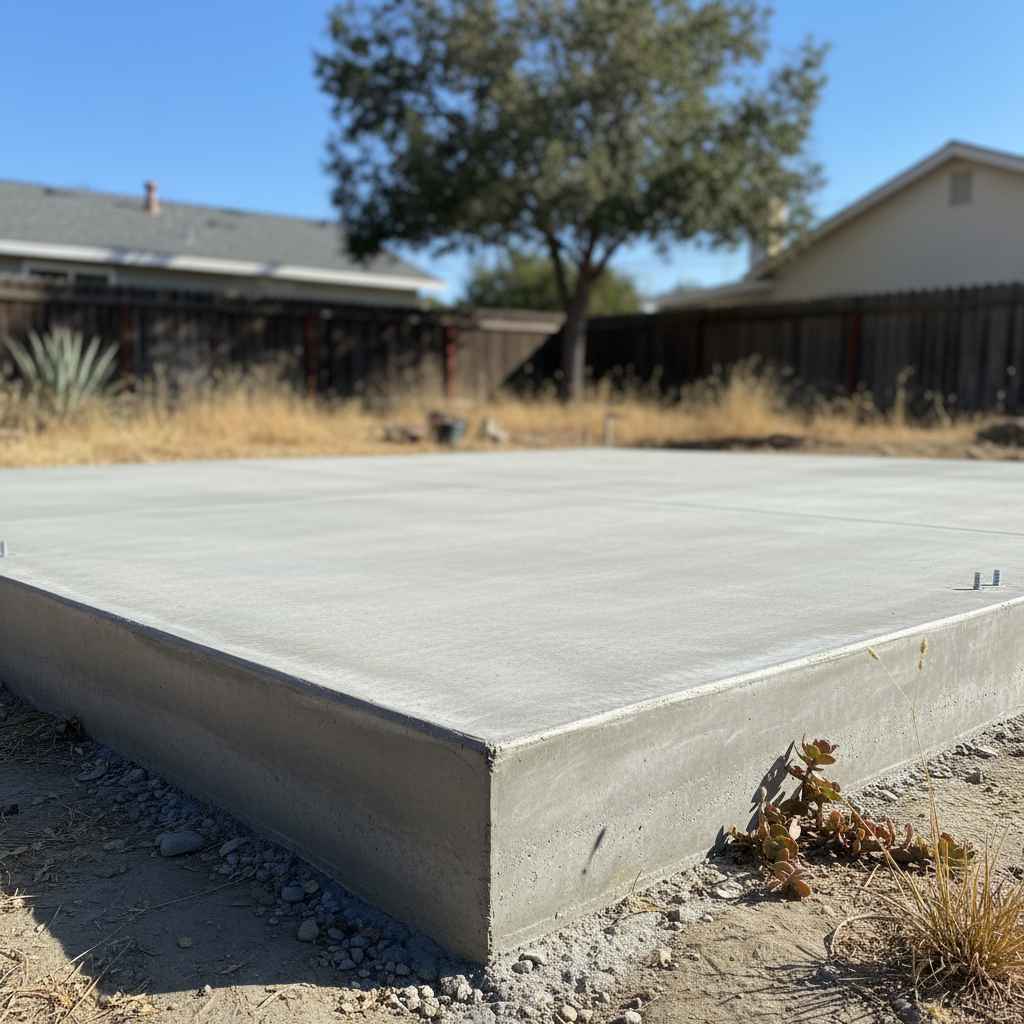
Alright, so you're dreaming of a new shed out back. Maybe it's for extra storage, a workshop, or even a quiet spot away from the main house. Whatever your vision, let me tell you, the most important part of that whole project, the thing that'll make or break its longevity, is the foundation. You can have the fanciest shed kit in the world, but if it's sitting on shaky ground, you're going to have problems down the line. I've seen it a hundred times.
Before You Dig: Planning & Permits
First things first, let's talk permits. This is Los Angeles, so nothing's ever as simple as you'd hope, right? Generally, if your shed is under 120 square feet, no taller than 12 feet, and has a roof projection of 24 inches or less, you might not need a building permit from the City of Los Angeles or LA County. But here's the kicker: if you're adding any electrical, plumbing, or mechanical stuff, you'll need separate permits for those, no matter the shed's size. And even if you don't need a building permit, zoning rules still apply, like setbacks from property lines. Seriously, always check with your local building department – the rules can vary even between different areas of LA County. Don't just assume; a quick call can save you a huge headache later.
Next up, soil. This is a big one in our neck of the woods. Los Angeles has all sorts of soil, from fertile alluvial valley soils to clay-rich soils that expand and contract. Expansive clay soil is a real pain; it swells when wet and shrinks when dry, which can really mess with a foundation over time. If you're building on a hillside or in an area known for expansive soils, you might need a geotechnical report to understand what you're dealing with. This isn't usually a DIY job; you'll want a pro to assess your specific site. Good drainage is critical too, especially with our occasional heavy rains. You need to make sure water drains away from your shed's foundation, not towards it.
Finally, what kind of foundation are we talking about? For sheds, you've got a few common options:
- Gravel Pad: This is a popular, affordable, and DIY-friendly choice for smaller sheds. It drains well and offers stability if you do it right.
- Concrete Block Piers: Another good option for smaller to medium sheds, especially on somewhat uneven ground. You simply set concrete blocks on a leveled, compacted base.
- Poured Concrete Slab: This is the gold standard for stability and durability, especially for larger sheds or if you're storing heavy equipment. It's more expensive and less DIY-friendly, but it'll last forever.
For most sheds under, say, 200 square feet, a gravel pad or concrete block pier system usually does the trick and is something a handy homeowner can tackle. If you're going bigger, or if you're planning on running utilities and making it more of a permanent structure, a concrete slab is probably your best bet. And don't worry about frost lines too much here in LA; our frost depth is pretty shallow, around 12 inches, so it's not the same concern as in colder climates.
During the Work: Getting it Right
Okay, you've got your permits (or confirmed you don't need one), and you've picked your foundation type. Now for the actual work. No matter what foundation you choose, preparing the site is crucial. You need to clear the area of any vegetation, roots, or debris. Then, you need to level the ground. This isn't just about aesthetics; an uneven foundation leads to a crooked shed, doors that don't close, and structural stress. For a gravel pad, you'll excavate a few inches, lay down some weed barrier fabric, and then fill it with compacted crushed gravel.
If you're doing concrete block piers, you'll need to dig individual footings for each pier, making sure they're all level and on solid, compacted soil. For a concrete slab, it's a bigger job: excavating, forming up the area, laying down a vapor barrier, and then pouring and finishing the concrete. This is where a lot of DIYers bite off more than they can chew. Pouring a concrete slab perfectly level and with proper drainage slope is an art form. If you're not experienced with concrete work, this is definitely a job to call in a professional. Los Angeles Shed Solutions can help you figure out the best approach and connect you with folks who do this kind of work every day.
Drainage is something you need to build into the foundation itself, not just think about after. For gravel pads and pier systems, the gravel helps with drainage. For concrete slabs, you want a slight slope away from the shed to prevent water from pooling. You also need to consider how rainwater coming off your shed roof will be handled. Directing it away from the foundation with gutters and downspouts, perhaps into a French drain or a swale, is smart.
After the Foundation: Keeping it Solid
Once your foundation is in and cured (give concrete plenty of time to cure before putting serious weight on it!), you're ready for the shed itself. But your foundation work isn't entirely over. You need to keep an eye on it. Check for any signs of settling, cracking, or water pooling around the base. In LA, with our dry spells and then sudden downpours, soil can shift. If you notice issues, address them quickly. Small cracks can become big problems if ignored. Make sure your drainage solutions are still working effectively; clear out gutters and make sure downspouts aren't directing water right next to the foundation.
For a gravel pad, you might need to top it off with fresh gravel and re-compact it every few years. For concrete piers, check that they haven't shifted. If you see significant issues, like major cracks in a concrete slab or noticeable settling, don't try to fix it yourself unless you're truly qualified. Foundation problems can be complex, especially with our local soil conditions and seismic activity. That's when you call in a foundation specialist. They can assess the situation and recommend the right repairs, whether it's underpinning or drainage improvements. It's an investment, but it protects your shed and your property in the long run.
Building a shed foundation isn't the most glamorous part of the project, but it's the most important. Do your homework, know your limits, and don't be afraid to bring in the pros when you need them. A solid foundation means a solid shed for years to come.